
Energy and Meteorology Portal

Climate Change and Energy

Climate change and the energy sector are tightly connected: greenhouse gas emissions are reshaping the Earth’s energy balance and intensifying extreme events, while energy systems—generation, transmission, distribution and demand—are increasingly exposed to climate variability and changing hazard profiles. This section brings together the core science, system impacts and disaster risk reduction approaches needed to understand climate risks for energy, strengthen governance and investment decisions, and improve readiness using weather, water and climate information.
Mechanisms of Climate Change

Mechanisms of Climate Change

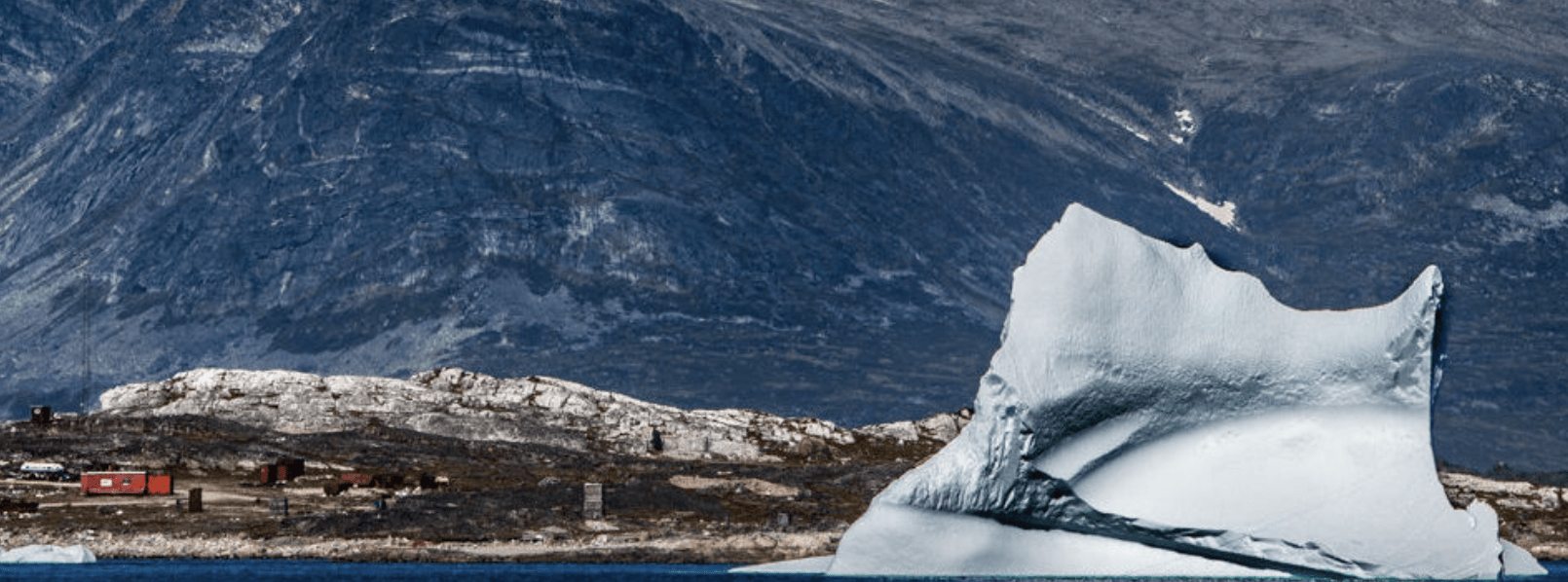
Greenhouse gases trap heat that would otherwise escape to space, disrupting the planet’s energy balance. Excess heat stored in the ocean contributes to glacier melt and sea-level rise, and can amplify conditions that fuel more intense extreme events.

Explore more


Effects of Climate Change on Energy Systems

Effects of Climate Change on Energy Systems

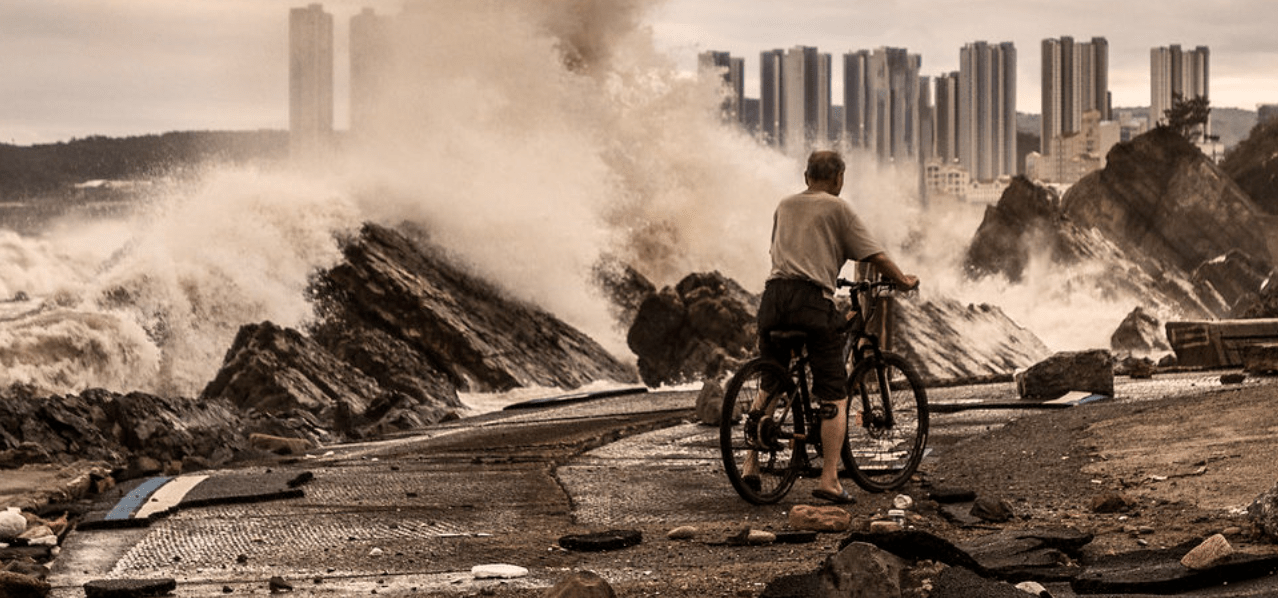
Climate impacts on energy assets vary by technology and location, and increasingly push beyond design assumptions based on historical conditions. Evidence shows differing sensitivities across wind, solar and hydropower, with particularly high variability in hydropower outcomes.

Explore more


Disaster Risk Reduction

Disaster Risk Reduction

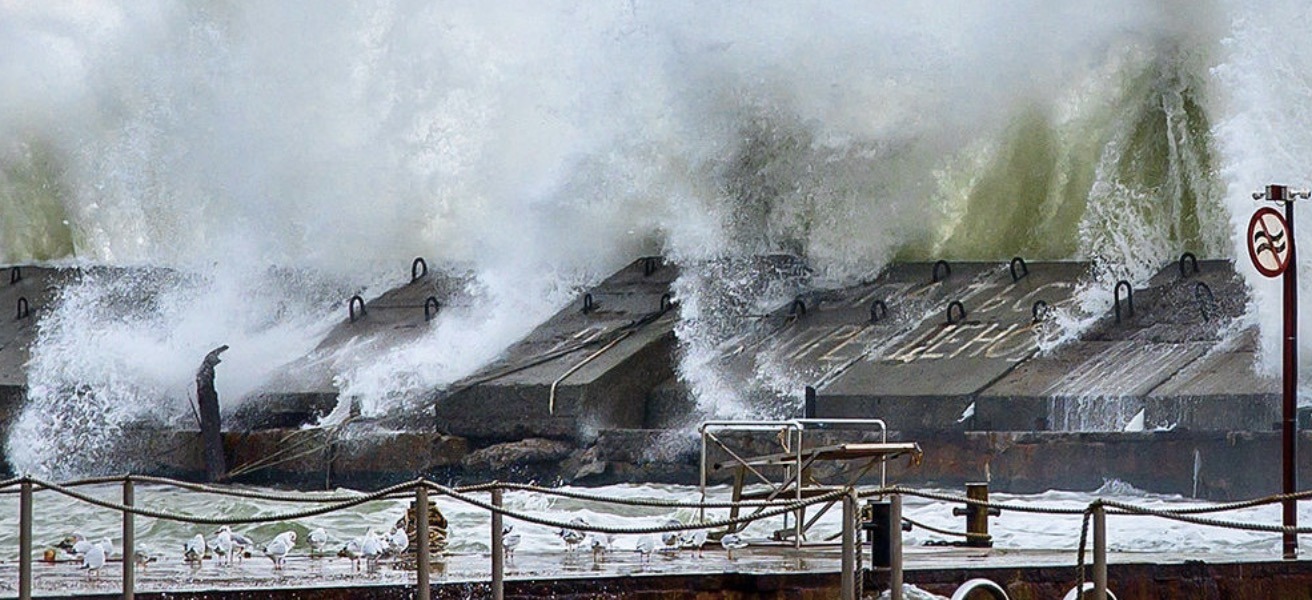
Disaster Risk Reduction (DRR) focuses on reducing disaster risks and losses to lives, livelihoods and assets. In the energy context, effective DRR relies on strong meteorological and hydrological services to support risk information, multi-hazard early warning systems, and climate-informed “build back better” decisions after disasters.

Explore more


Understanding Risk and the Sendai Framework

Understanding Risk and the Sendai Framework

Climate risk increases when exposure and sensitivity are high and adaptive capacity is limited—so quantifying risk is essential for planning, adaptation and response. This page outlines a practical framing of climate risk and highlights why scenario-based forecasting of both climate conditions and energy supply–demand is critical for resilient energy systems.

Explore more


Strengthening Disaster Risk Governance

Strengthening Disaster Risk Governance to Manage Disaster Risk

Sound disaster risk governance depends on stakeholder engagement, clear policies and coordinated decision-making. Key elements include safe information sharing across infrastructure operators, integrating climate risk into public investment and regulation, encouraging risk disclosure, and building trusted networks that enable collaboration during disruptions.

Explore more


Investing in Disaster Reduction for Resilience

Investing in Disaster Reduction for Resilience

Investing in resilience early is typically far cheaper than delaying action—delays can lock in vulnerabilities and raise future costs. This page highlights the economic case for weather-proofed, climate-resilient electricity infrastructure and illustrates how compounding events can cascade through an interdependent energy value chain.

Explore more


Preparing for Risk and Weather Readiness

Preparing for Risk and Weather Readiness

As hazards intensify and return periods shorten, utilities need to reassess how extreme events threaten assets and service continuity. Weather readiness includes reinforcing infrastructure, building redundancy, developing proactive operational plans, and evaluating system-wide vulnerability—from generation to demand—to reduce downtime and protect critical services.

Explore more