
Energy and Meteorology Portal

Renewable Energy

Renewable electricity systems are tightly linked to meteorological and hydrological conditions: solar output depends on irradiation and atmospheric conditions; wind generation varies with wind speed and direction; and hydropower relies on precipitation, temperature and runoff dynamics. As variable generation grows, grid integration increasingly depends on high-quality forecasting and operational strategies to manage voltage, frequency and stability, while storage and flexibility options help balance supply and demand.
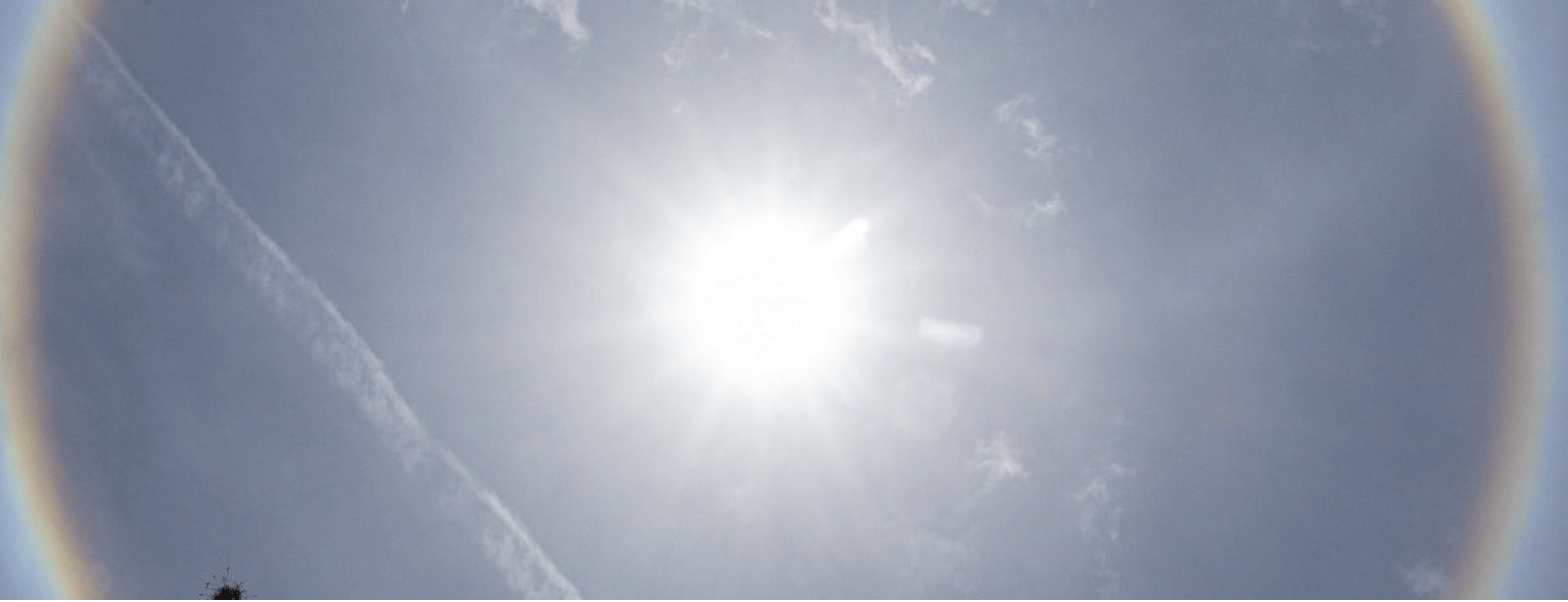


Solar Power Generation

Solar Power Generation

Solar PV deployment is accelerating and is increasingly cost-competitive, but high penetration can introduce voltage and frequency fluctuations; forecasting and suitable integration models support grid operations, storage control and market decisions under variable irradiation and cloud/aerosol effects.

Explore more


Wind Power Generation

Wind Power Generation

Wind generation continues to scale rapidly, yet variability and “wind droughts” can challenge system stability; operators increasingly require turbines to provide grid-support functions, and dynamic line rating relies on high-resolution wind and temperature data and forecasts.

Explore more


Hydropower Generation

Hydropower Generation

Hydropower remains a major renewable source and provides reliability, fast response and storage—especially via pumped storage—while production depends on weather- and water-driven runoff processes; forecasting improves planning and operations as climate change alters extremes and water allocation pressures.

Explore more


Non-Renewable Alternatives

Non-Renewable Alternatives

Thermal and nuclear plants depend on water or air for cooling; efficiency and output are shaped by the temperature difference between steam and coolant, making water availability and temperature critical for siting and operations—where climate forecasting and projections inform risk management.

Explore more