
Clean energy is often framed as a low-risk investment essential for climate mitigation. Yet as climate change accelerates, the very weather systems that power renewables are becoming more volatile.
A recent Bloomberg Green article highlights the growing impact of climate change on renewable energy systems, citing scientific analysis from the World Meteorological Organization (WMO) as well as the joint WMO–International Renewable Energy Agency (IRENA) report.
Through their close collaboration, WMO and IRENA have been working to strengthen the integration of weather and climate information into renewable energy planning, investment, and operations. Their joint work underscores how changes in wind speeds, solar irradiation, and increasing weather variability can significantly affect the performance, reliability, and financial viability of wind and solar power systems.
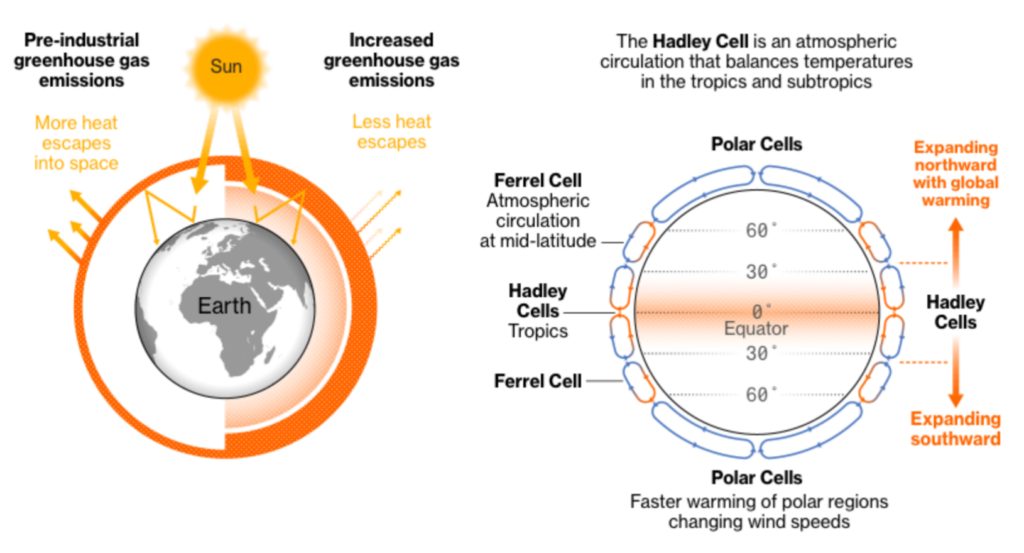
Figure 1. Unpredictable Weather Patterns: As the world warms, tropical circulation is expanding poleward, potentially altering climate conditions
The article features insights from Roberta Boscolo, Climate and Energy Lead at WMO, who notes that climate change is reshaping the geographical distribution of energy resources and that even small variations in wind speed can translate into substantial power losses. This reinforces WMO’s long-standing message on the importance of long-term climate data, monitoring, and forecasting for informed decision-making in the energy sector.
The WMO–IRENA report goes beyond analysis by providing actionable guidance for policymakers, energy developers, and investors. It highlights the role of climate services in:
- supporting site selection for renewable energy projects,
- improving power generation forecasting,
- assessing physical climate risks under future climate scenarios, and
WMO will continue working closely with IRENA and other partners to enhance climate services for the energy sector, supporting countries in building climate-resilient and sustainable energy systems. This collaboration remains a key pillar in aligning global energy transition efforts with climate adaptation and resilience goals.